Summit is expanding its position in the managed infrastructure and cloud services market with the acquisition of HorizonIQ, a specialist in high-performance bare metal and private cloud platforms with roots in legacy providers Internap and SingleHop.
The move is designed to give enterprise and mid-market customers more flexible deployment options across bare metal, virtualized environments, and private cloud, at a time when organizations are looking to balance performance, control, and cost against the convenience of hyperscale public clouds.
Backed by private equity firm Silver Oak Services Partners, Summit has built its business around managed IT infrastructure, application hosting, disaster recovery, and cybersecurity. By integrating HorizonIQ’s automation-driven provisioning platform, Summit aims to combine the performance characteristics of dedicated hardware with cloud-like speed and ease of use. Instead of weeks-long provisioning cycles or complex manual workflows, customers can expect faster deployment of single-tenant infrastructure for latency-sensitive or compliance-heavy workloads.
A key element of the deal is the expansion of Summit’s private cloud portfolio. HorizonIQ brings support for Proxmox alongside existing VMware and Hyper-V environments, giving customers more choice when architecting virtualized or containerized solutions. Proxmox, an increasingly popular open-source virtualization stack, offers an alternative to traditional hypervisor licensing models and may appeal to customers seeking greater control over platform economics and roadmap flexibility. For IT leaders managing hybrid or multi-cloud strategies, the ability to standardize on different hypervisors within a managed service framework can be a meaningful differentiator.
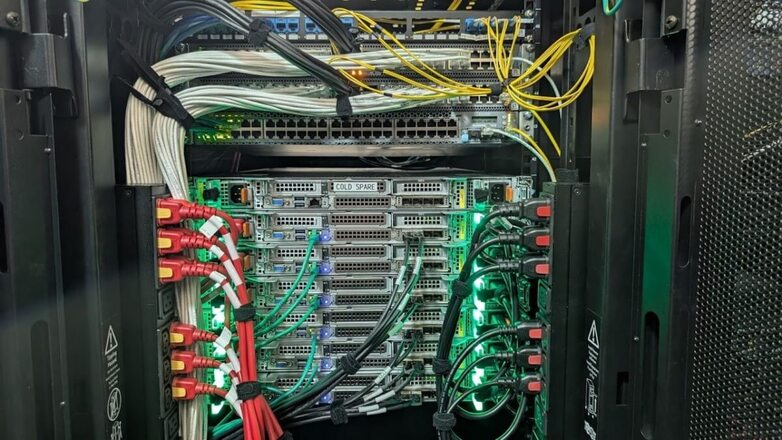
The acquisition also expands Summit’s physical footprint. HorizonIQ operates across nine data center regions, with capabilities that include private cloud, bare metal, GPU infrastructure, firewall services, and storage. Folding these locations into Summit’s platform not only increases capacity for production workloads but also enhances backup, redundancy, and geographic diversity for disaster recovery strategies. The companies emphasize that all existing HorizonIQ services will continue uninterrupted during the integration period, with technology and teams gradually rebranded and absorbed into the Summit organization.
From a customer perspective, the combined offering is positioned to address use cases where dedicated infrastructure is still preferred over multi-tenant public cloud. This includes performance-sensitive databases, regulated workloads, consistent GPU access for AI and machine learning, and latency-critical applications. HorizonIQ’s Compass platform, which offers automated provisioning, transparent pricing, and proactive support, will complement Summit’s high-touch managed services approach. Together, they are targeting organizations that want the control and predictability of private infrastructure without the operational overhead of running their own data centers.
The transaction also reflects Silver Oak’s ongoing strategy in the lower middle-market services sector. With more than $1.1 billion raised across four funds and over 25 platform investments to date, the firm has a history of backing roll-up and expansion strategies in business and tech-enabled services. The HorizonIQ acquisition fits that pattern, bolstering Summit’s scale and capabilities while creating opportunities for cross-selling and portfolio integration.
For B2B technology leaders, the announcement underlines a broader trend: even as hyperscale public cloud continues to grow, there is sustained demand for managed private and hybrid infrastructure where performance, predictability, and sovereignty can outweigh the benefits of pure self-service cloud models. Providers like Summit are betting that combining automation, bare metal, and multiple virtualization options into a single managed platform will resonate with organizations looking to rationalize complex infrastructure estates.
Executive Insights FAQ
How does the HorizonIQ acquisition change Summit’s service portfolio?
It adds automated bare metal provisioning, nine additional data center regions, and broader private cloud support across VMware, Hyper-V, and Proxmox, giving customers more flexibility in how they deploy and manage workloads.
Why is bare metal still relevant in a cloud-first world?
Bare metal offers predictable performance, dedicated resources, and strong isolation, which are critical for latency-sensitive, regulated, or GPU-intensive workloads that may not fit well in shared public cloud environments.
What role does Proxmox play in the combined platform?
Proxmox extends Summit’s private cloud options beyond traditional hypervisors, providing an open-source virtualization alternative that can help customers optimize costs and retain greater control over their infrastructure stack.
Will existing HorizonIQ customers experience disruption during integration?
According to the companies, HorizonIQ services will continue uninterrupted while technology and teams are integrated into the Summit brand, aiming for a seamless transition for current customers.
What does this deal signal for the broader infrastructure market?
It highlights ongoing demand for managed hybrid and private cloud solutions, where automation, single-tenant architectures, and multi-hypervisor support complement rather than compete outright with hyperscale public cloud offerings.