Gone are the days of compounding search traffic, ordinal search rankings, forecasting based on predictable click-through and conversion rates.
Today, your content pages are grist for the AI mill, their contents scraped from the page, blended together with competing pages, and shown to the user—if you’re lucky—in a context and format controlled entirely by a third party.
Forgotten is the handshake agreement that good content will be rewarded by website visitors. Instead, most people who interact with your content will do so through an intermediary like Google’s AI Overviews or a ChatGPT response.
But most pages are still created with the assumption that people will visit them directly. How does content change if we abandon that idea?
Headless content marketing
I see more companies asking and answering this question, creating pages of information with the assumption that few people will ever visit them.
Instead, they seem intended solely for retrieval by AI search engines and synthesis into AI-generated snippets and summaries. You’ve probably seen them too.
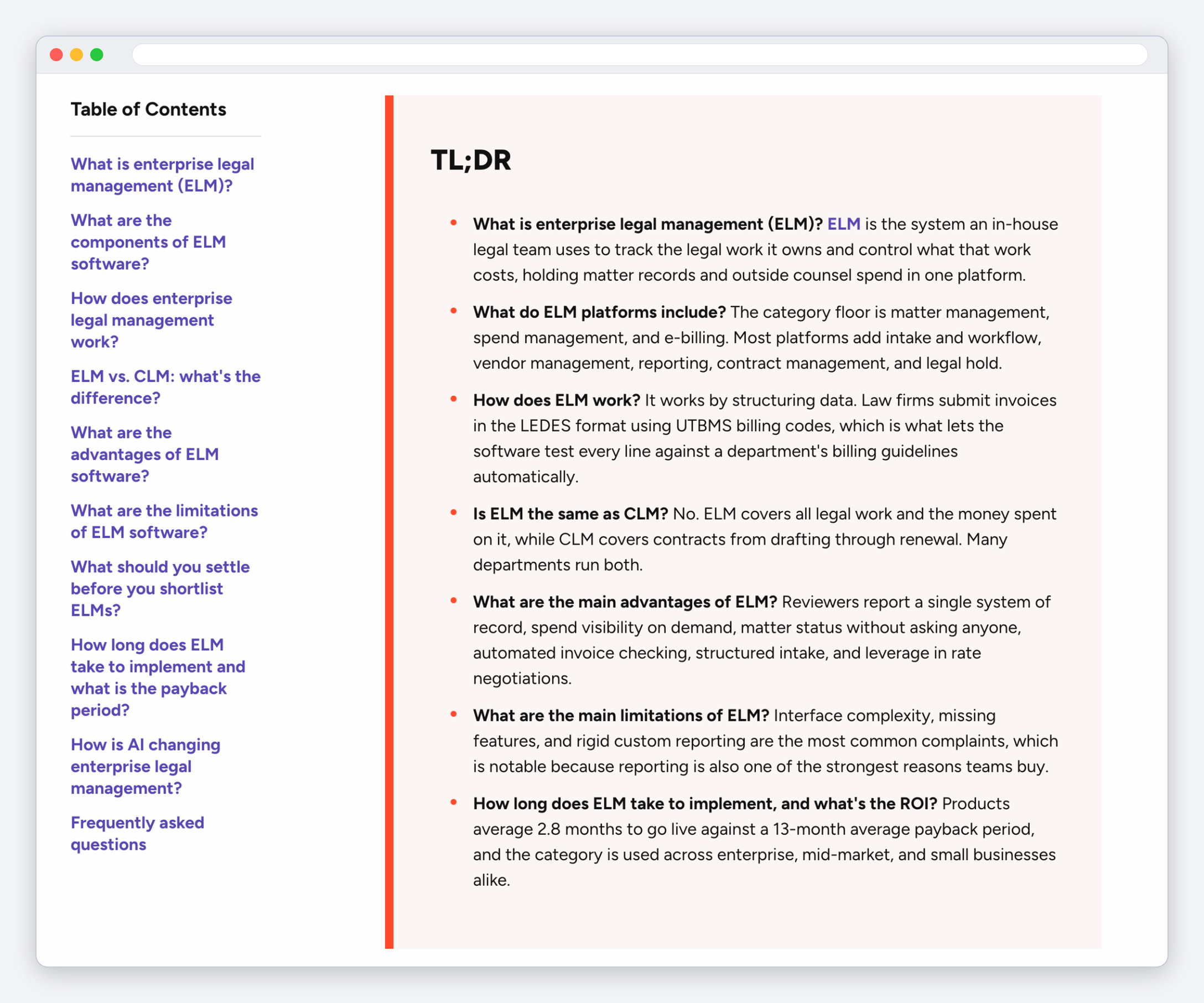
They are terse and direct. They are crammed full of specific references: products, concepts, brands. They use strong declarative statements and back them up with clear, citable evidence. They’re structured in rigorous topic clusters. They’re updated with extreme regularity.
Further reading
They’re written for the widest possible audience in ELI5 English and, most important of all, contain none of the fripperies of “old-fashioned” writing: personal experiences and anecdotes, uncertainty and humility, colorful language, even illustrative images. They are usually AI-generated.
It is content that has abandoned the illusion that people will visit it. It isn’t bad for people, per se, but it certainly isn’t intended for them.
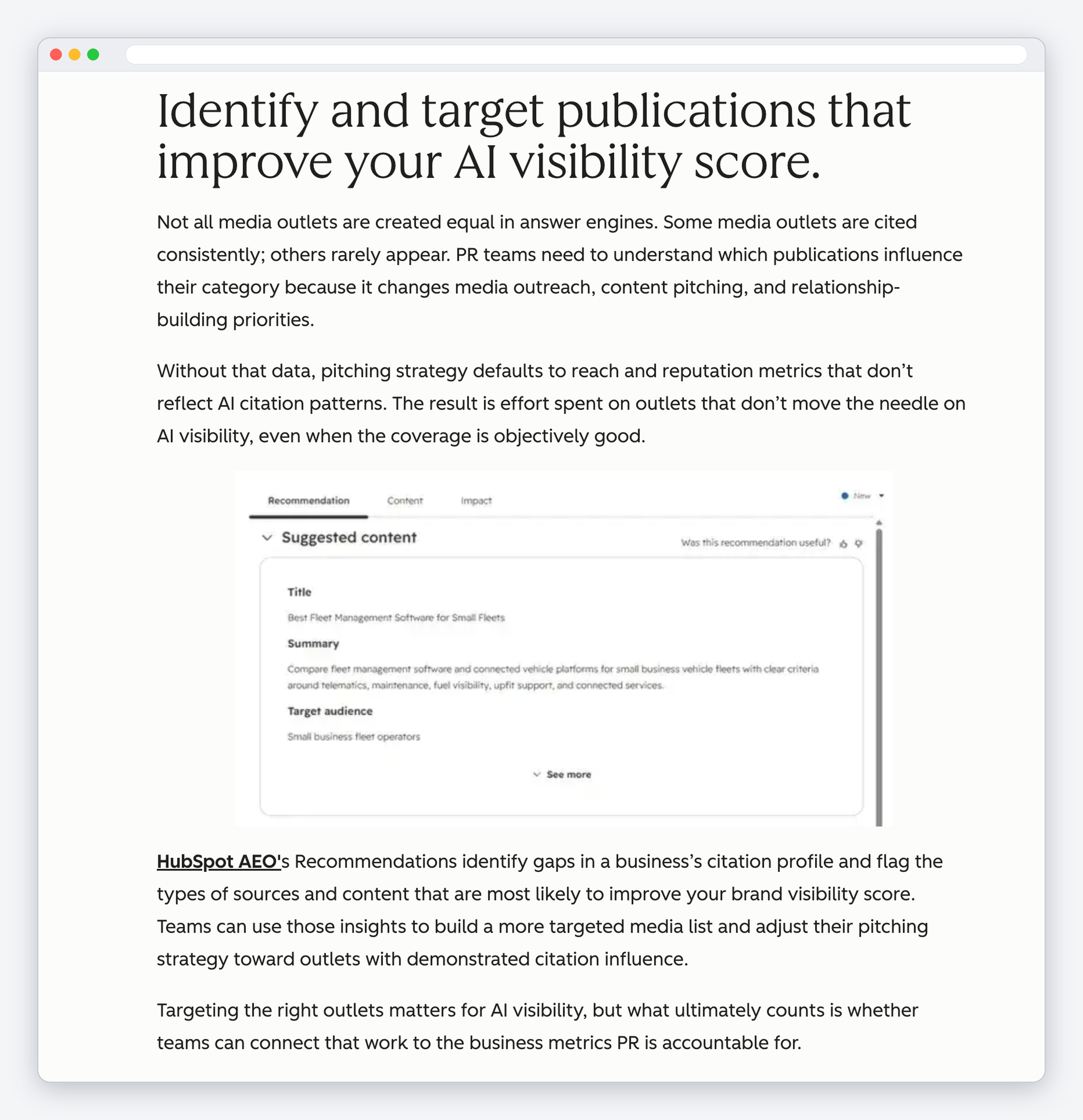
This is “headless content marketing”: pages designed solely as vessels of information for influencing AI answers.
A headless CMS decouples page content from page design, letting you create and manage the nuts and bolts of your website’s content before passing it to another service to actually show to users; headless content marketing does the same, providing information for AI search engines to present in whatever format they see fit.
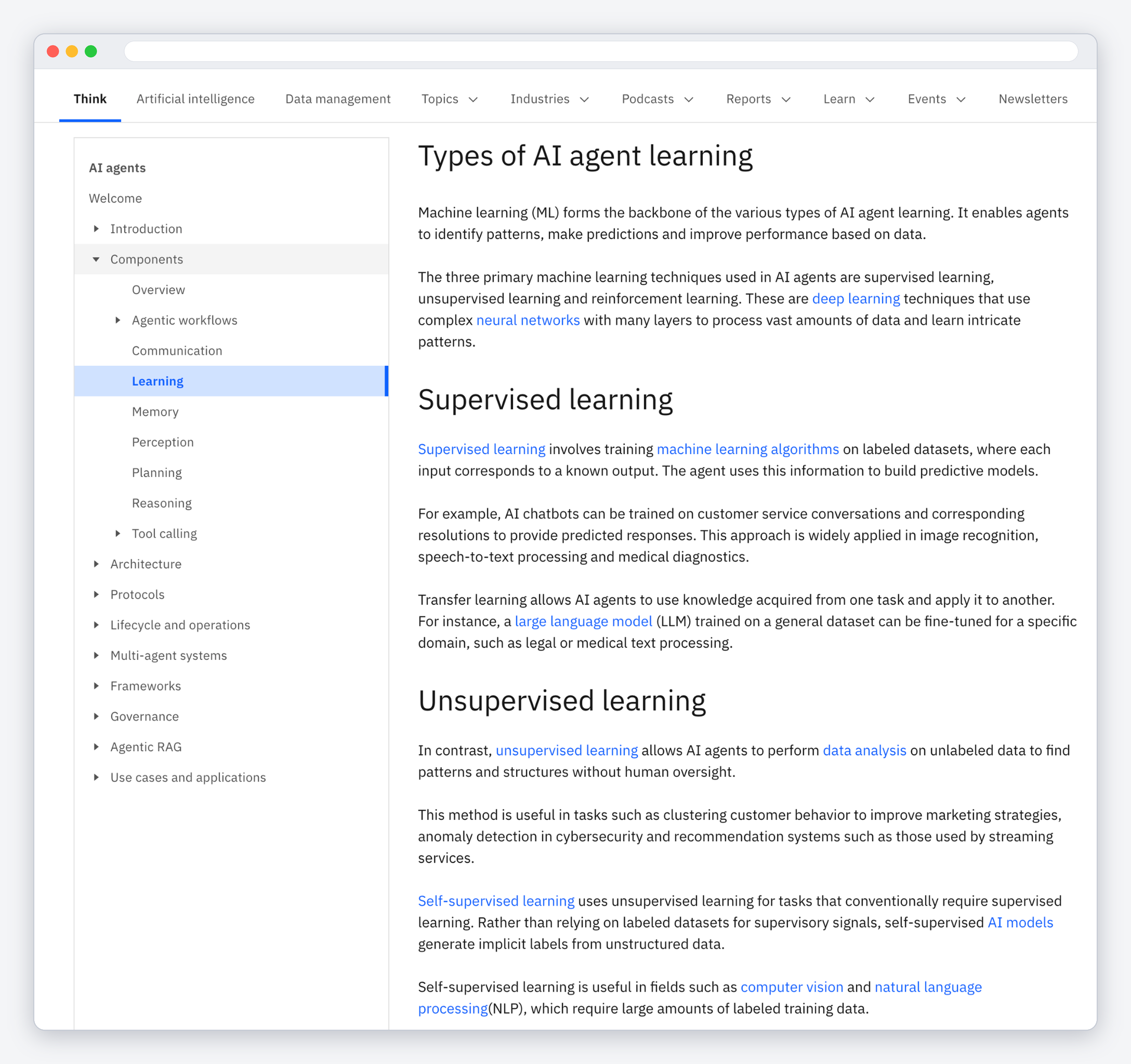
I see this content cropping up on big brands with huge, established blogs—the brands who have felt the sting of AI Overviews the hardest, and are looking for the next scalable distribution strategy for their content empires.
I think we’ll see more of it. We seem destined for a world where big brands will maintain a library of headless content that is automatically updated, reviewed for accuracy, and systematically enriched with new data and research (probably by somebody called a content engineer).
Show me the incentives…
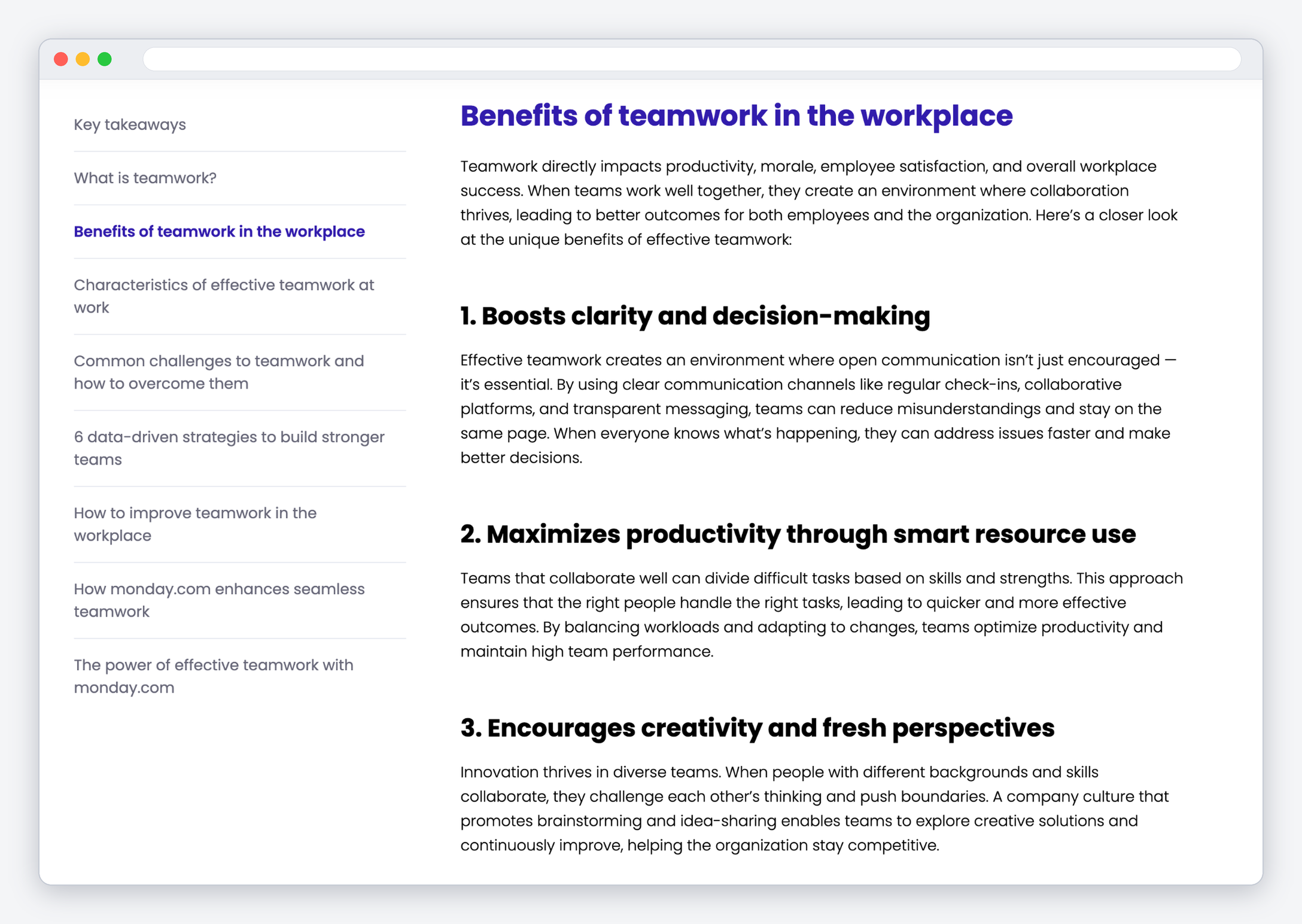
This content looks familiar to anyone who’s done SEO for a long time. This is what search-optimized content used to look like, before the era of Helpful Content and EEAT guidelines; when all the Google PR bluster is stripped away, and just the rote mechanics of information retrieval are left behind.
And despite Google waging a long war against content written for machines, headless content is a logical response to the incentives Google has now created.
By destroying click-through rates and ordinal rankings, Google, ChatGPT, and other AI search engines have sent the implicit signal that on-page experience doesn’t matter; all that matters is the information conveyed by a page. Headless content is a predictable consequence.
But there is a difference. Headless content can be high-quality in many dimensions. It can be direct and helpful, conveying useful information with extreme efficiency. It can contain new and novel information, sourced from original research or proprietary datasets or interviews. It can be accurate and updated to ensure that accuracy at a previously impossible cadence.
It can perform well in search…
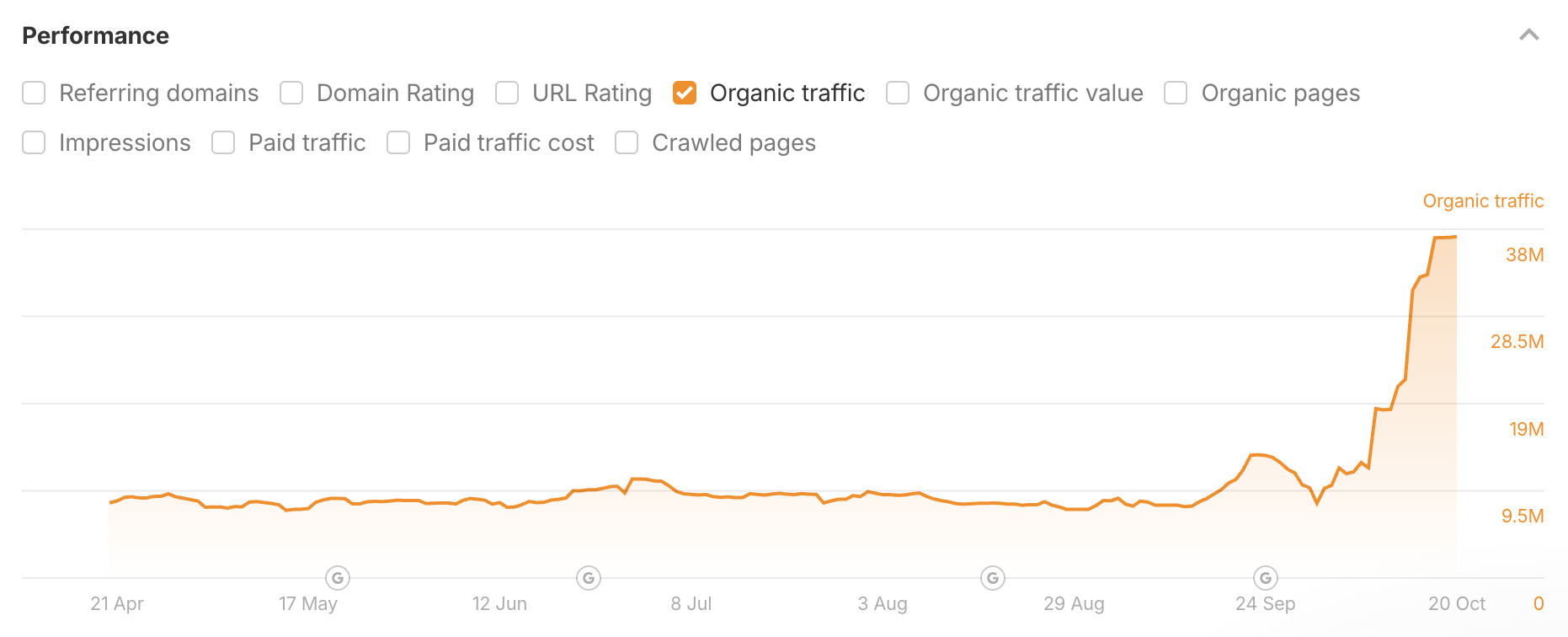
…and AI search.
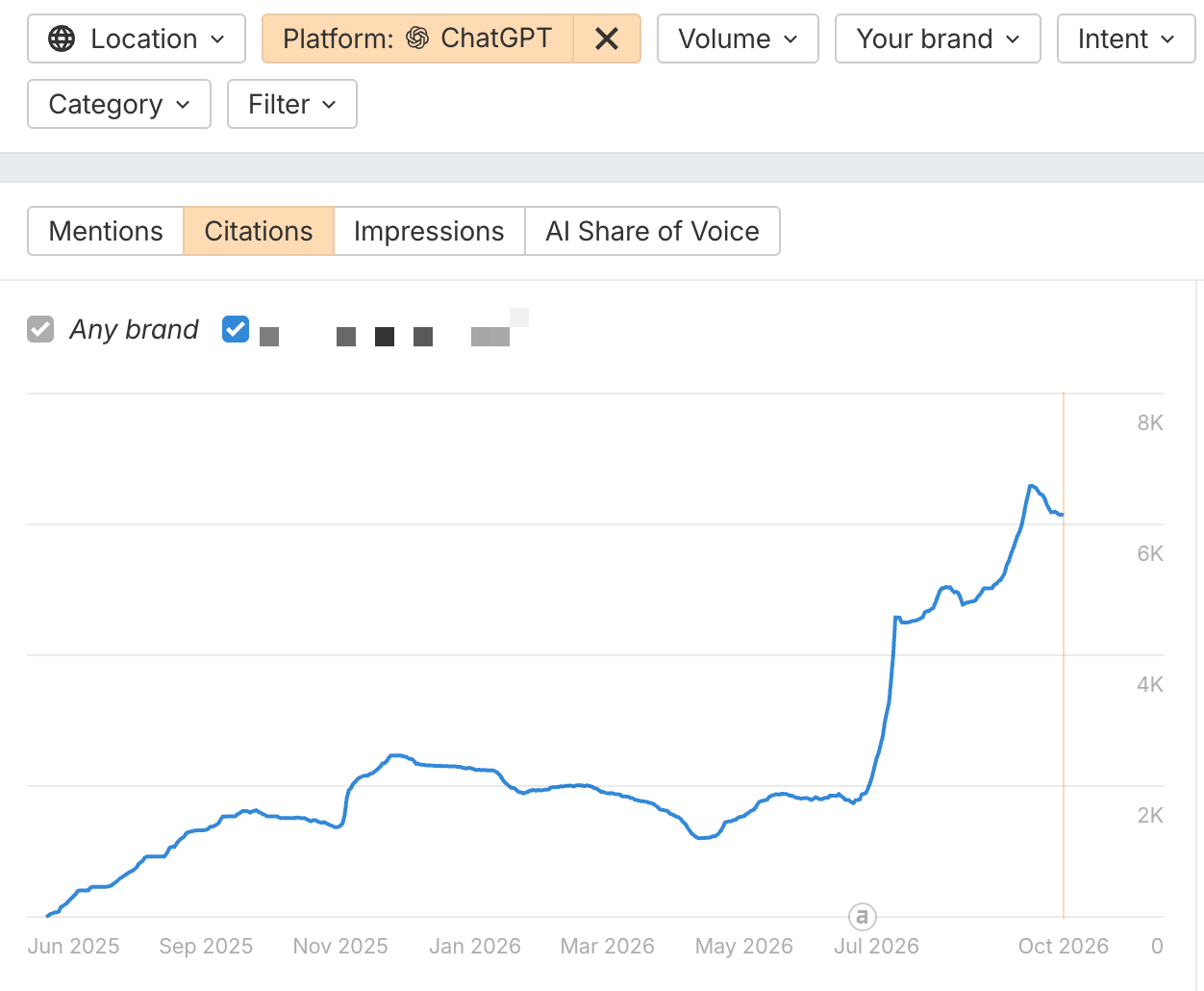
It doesn’t look good—but that’s the point. No one is supposed to look.
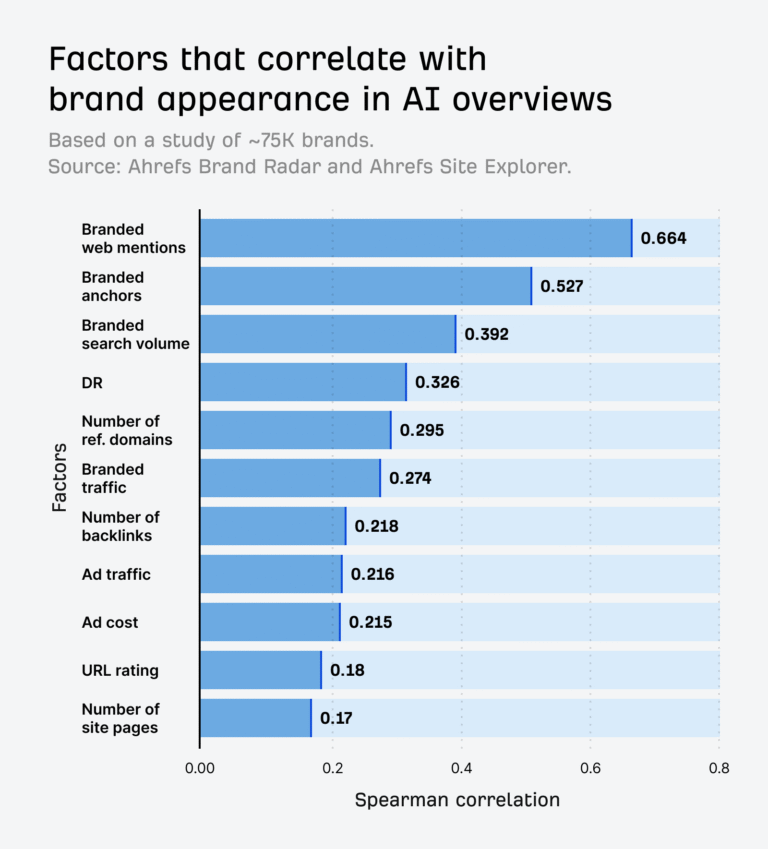
The goal of headless content is not to bring people to your website. Instead, it exists to help your brand get mentioned in AI answers, to help your domain appear as a cited source, to help influence business-critical narratives within generated responses, and avoid ceding important topics to your competitors. It plays by different rules. And that’s important, because AI summaries seem to be a permanent feature of search. The game has changed.
Maybe content created for machines is no longer such a bad thing. Maybe we are increasing the quality and outcomes associated with AI-generated responses. Maybe this is what high-performing content looks like, under the new paradigm Google has created.
The only wrong response is no response
I think we’re seeing a growing bifurcation in content marketing.
We’re moving away from the messy middle ground where search content was expected to appeal to both human readers and machine retrieval. More companies are embracing the reality that content optimized for AI search looks different from content optimized for human interaction.
There is no guarantee that this is a lasting strategy. Headless content marketing is useful because AI search engines rely—perhaps over-rely—on retrieval-augmented generation, rationalizing their answers by pulling relevant web pages from a search index.
But who’s to say that will remain the case? Google seems intent on stopping ChatGPT from scraping its SERPs, and it seems that AI search providers are already realizing how gameable RAG really is.
At the least, headless content is a logical response to the incentives Google and ChatGPT have created. The only strategy that is utterly wrong is to keep doing what we have always done, and fail to acknowledge that the fundamental unit economics of content marketing and search have changed.
Google already decapitated your search content. Headless content just stops pretending otherwise.
Further reading