A competitive PPC (Pay Per Click) analysis is all about seeing what your competitors are doing with their paid ads on platforms like Google Ads, so you can do it better. It helps you uncover which keywords they’re spending money on, what their ads and landing pages look like, and how much budget they might be working with.
If you can’t afford to spend a week on a manual analysis or you doubt you have enough experience to do it well, your next best option is a large language model (LLM) like ChatGPT, Claude, or Gemini. All you need to know is where to look for PPC data and a good prompt—this is what I’m going to help you with.
With Ahrefs, you’ll see exactly which keywords your competitors are bidding on, the countries they’re targeting, and what ads and landing pages they use—something you can’t do with Google Keyword Planner.
You’ll also receive estimated daily, weekly, and monthly ad spending to gauge their aggressiveness and spot patterns.
Then, ChatGPT steps in to identify keyword gaps (keywords they bid on but you don’t), pull out key insights from the data, and suggest easy wins you can act on fast. After the analysis, you can even ask it to build out a full PPC action plan, including recommendations for landing pages and better ad copy to boost your performance.
Let’s get started!
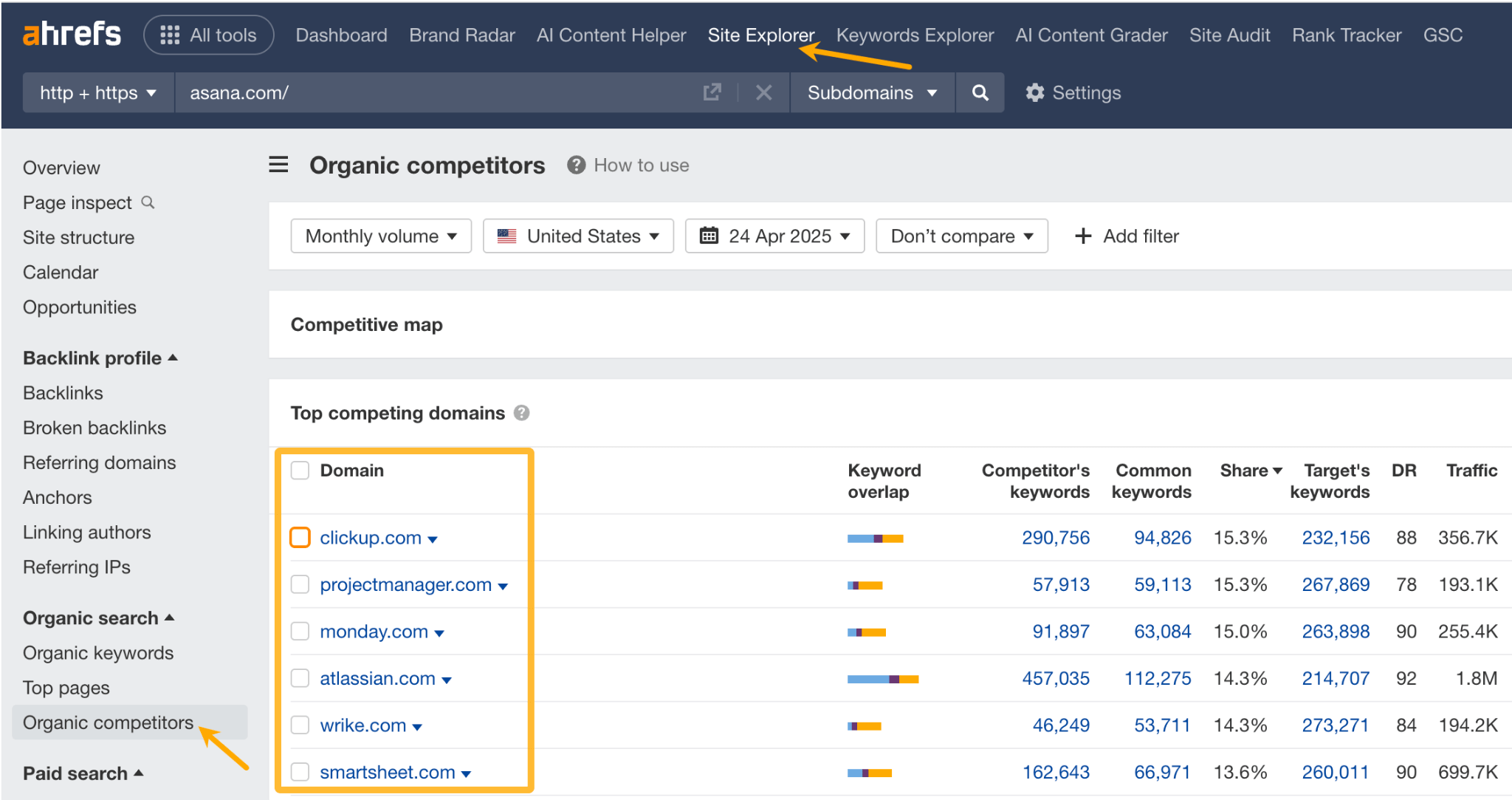
Now, plug in your competitor domains along with yours into Batch Analysis. Export the results.
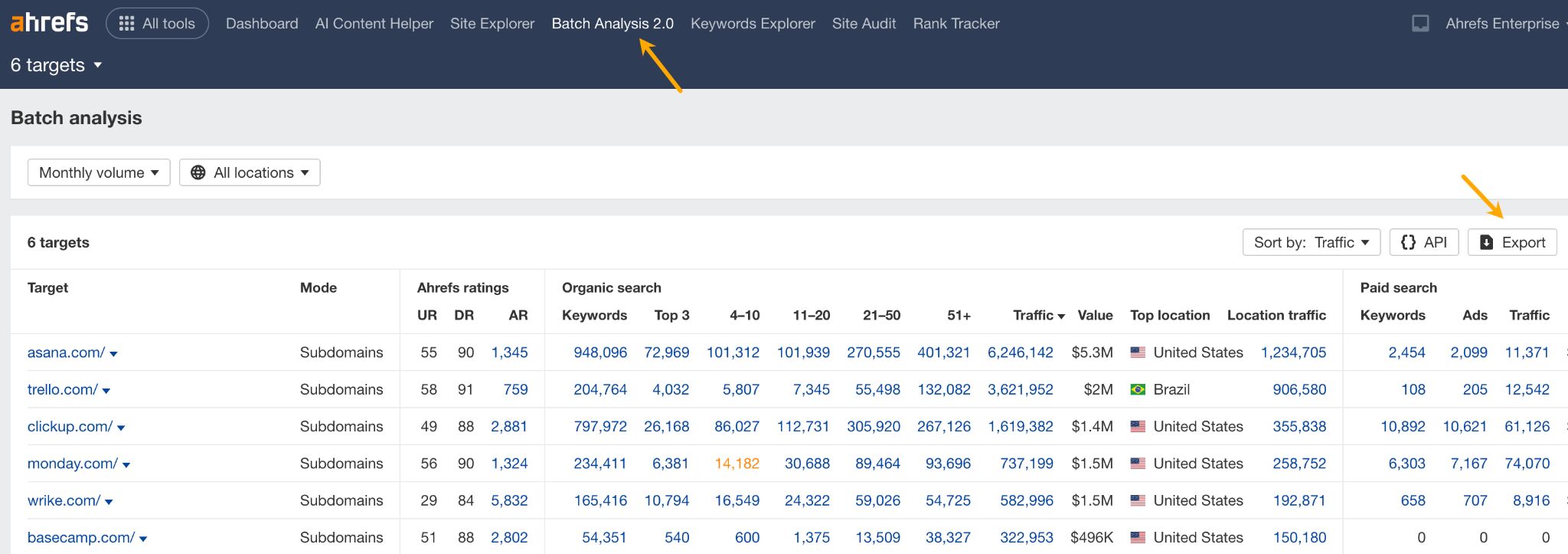
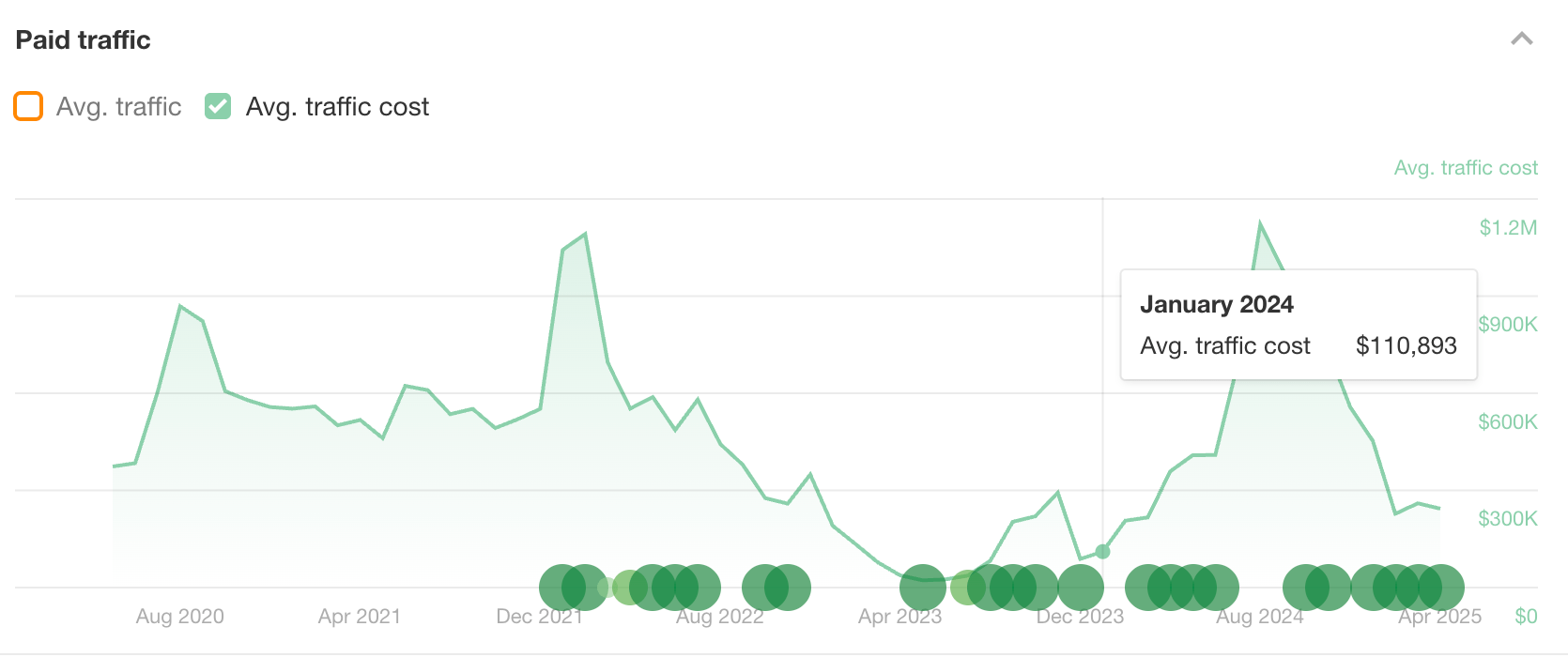
To understand how your competitors use their Google Ads budgets, check the Paid search tab in the Overview report. Look for any spending patterns or strategies that stand out. I recommend doing this step manually rather than relying on AI, since humans are naturally good at recognizing patterns, and AI sometimes struggles with reading data from images with graphs.
For example, looking at this data on average organic traffic spend from Monday, we see their current estimated spend is about $243k—around five times lower than their peak spend in August 2024. Last year, their monthly spend never dropped below $110k, with clear spikes toward the end of the year. Based on this, you can expect them to increase their bids significantly from August to December 2025.
You can jot down your observations as you go and ask ChatGPT to add them to the report later.
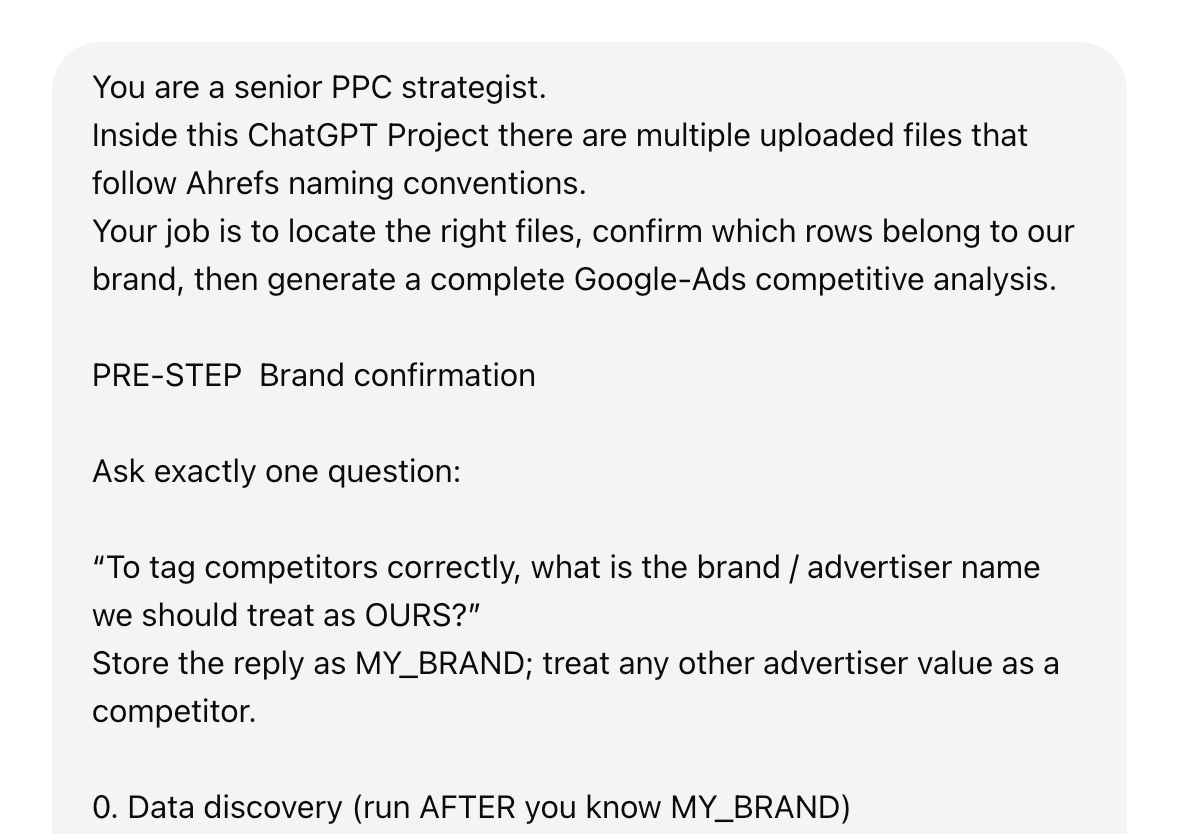
Feel free to ask your LLM any follow-up questions after the analysis is done.
At the time of writing, the project feature isn’t supported in Gemini, but if that’s your favorite LLM, try uploading the file in the chat window or creating a Gem.
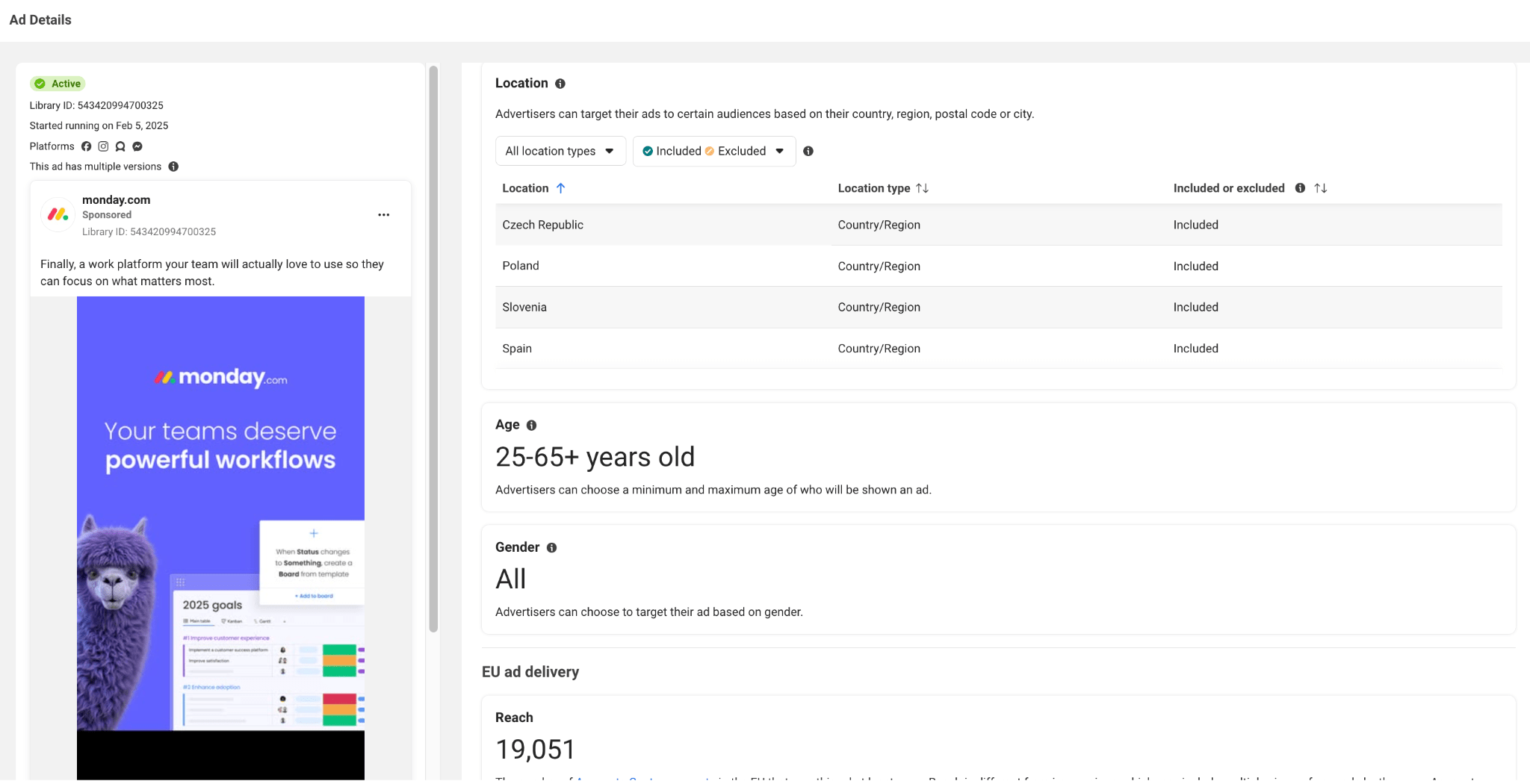
Ad libraries won’t offer much competitor data, but you can still use AI to find patterns among ad creatives. Again, the trick is to save any web page showing competitor ads in PDF format and give it to an LLM asking things like:
- What do these ads promote?
- Group every ad by dominant visual theme (human faces, product UI, icon‑only, illustration, etc.).
- List the focal point of each creative (face, logo, text‑first, CTA button) and rank them by prevalence.
- Extract every headline and overlay text. Cluster them by copy angle (benefit, fear of missing out, time savings, social proof). Which angle is dominant?
- Identify recurring design motifs.
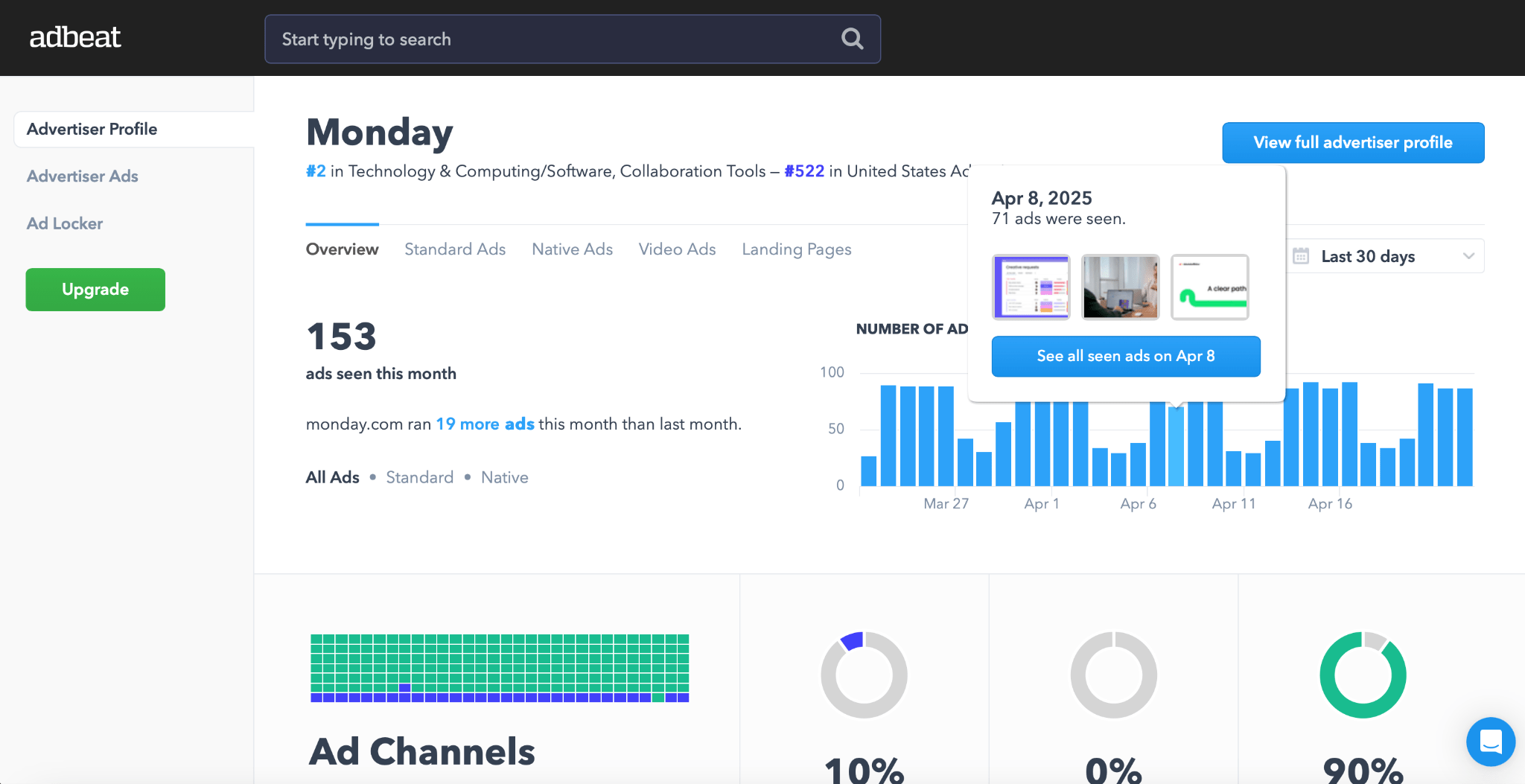
For other display networks, tools like AdBeat or AdClarity can be helpful. For example, AdBeat gives you a quick overview of your competitor’s PPC activity—showing you the types of ads they run most often, which publishers they work with, and even letting you view their ad creatives.
Final thoughts
Because LLMs can rerun analyses in seconds, you have the freedom to experiment wildly. Want to test if competitor headlines using emotional triggers outperform product-focused copy? Just ask. Curious how seasonality impacts their keyword strategy? Rerun your analysis with a fresh prompt.
So go ahead: throw unconventional ideas at the model, iterate rapidly, and discover opportunities you’d never uncover slogging through spreadsheets manually.
Got questions or comments? Find me on LinkedIn.
Similar Posts
6 Best RingCentral Alternatives & How They Compare (2025)
Are you fed up with overspending on your business phone system? Or maybe you’re a startup…
Bandwidth IG Rebrands as BIG Fiber Amid AI Boom
Bandwidth IG has announced a major rebrand, officially changing its name to BIG Fiber – a…
Ledger Wallet Q&A [+ Massive DEAL]
🚨Get up to $80 in free Bitcoin when you buy a Ledger Wallet through my link:…
Tencent Expands Global AI with Agents, SaaS Tools, Data Centers
Tencent used its 2025 Global Digital Ecosystem Summit in Shenzhen to unveil a sweeping set of…
The 5 Levels of Crypto Security
Here are the 2 best cold wallets: Tangem (10% OFF):https://tangem.com/en/pricing/?promocode=CYBERSCRILLA#pricing Ledger Flex (Get $10 FREE Bitcoin):…
Shared Hosting vs. Cloud Hosting vs. Managed WordPress – What’s the Difference?
I started my first blog with a shared hosting plan because I just needed the cheapest…

![Ledger Wallet Q&A [+ Massive DEAL]](https://vmcloud.com.au/wp-content/uploads/2025/08/ledger-wallet-qa-massive-deal.jpg)